Table Of Content

Since the start, it's been our aim to provide the latest cruise news covering all the major cruise lines. We make sure cruisers are fully prepared for their cruise vacation with tips on ships and ports.Millions of travelers rely on Cruise Hive in the United States, Europe, Australia, and around the world. Unlike highway traffic, ships generally have no specific speed limits.
How do cruise ships maintain their speed?
Thirty knots is fast for a ship, and most cruise ships never travel at it. Cruise ships don’t generally go over 20-something knots for a couple of reasons. First and foremost, vessels keep a consistent cruising speed for fuel efficiency. The size of a cruise ship plays a significant role in determining its speed.
The Power of Low Glycemic...
This allows for a more economical journey while still ensuring passengers arrive at each destination within the scheduled timeframe. When it comes to the speed of cruise ships, it’s important to understand that there is a difference between the maximum speed and the average cruising speed. The average cruising speed of a cruise ship typically ranges from 19 to 23 knots, which is about 22 to 26 miles per hour. However, this is just an average and can vary depending on various factors. I’ve had the opportunity to experience some of the fastest cruise ships in the industry, such as Cunard’s Queen Mary 2, which can reach speeds of up to 30 knots.
Watch: The Fastest Ship In The World That Beats Metro Trains In Terms Of Top Speed - Marine Insight
Watch: The Fastest Ship In The World That Beats Metro Trains In Terms Of Top Speed.
Posted: Fri, 07 Jul 2023 07:00:00 GMT [source]
How Fast Does a Cruise Ship Go: A Journey into Maritime Velocity

Given how large cruise ships are, an average ship’s speed of 20 knots is pretty impressive. The speed of a cruise on a Royal Caribbean Cruise ship, for example, is knots. And most other cruise lines have an average speed of between 19 and 22 knots. For perspective, a 20-knot average cruising speed is the same speed as 23 miles per hour on land. In reality, how fast cruise ships go has little to do with the time of day and more to do with fuel efficiency, weather, the ship’s schedule, and passenger comfort. That said, the top speed of a vessel would be around 30 knots, which is about 35 miles per hour.
But he’d been drawing ships since 1894 when, as an eight-year-old boy, he’d watched the launch of a 550-foot steamship, the S.S. St. Louis, in the Delaware River, a few miles upriver from where the United States now floats. On February 4, Crystal Cruises announced that it had signed an option to purchase the ship from the S.S. In the meantime it will pay the $60,000 or so a month it costs to maintain the ship.
The Bottom Line: It’s Not a Race at Sea
The design of the ship’s hull also plays a critical role in determining its speed. Cruise ships have displacement hulls, which are designed to push water out of the way as the ship moves forward. The hull design affects how efficiently the ship moves through the water and can impact its speed and fuel consumption.
Cruise Ship Speed: What is the Top Speed?
The Queen Mary 2 often dominates the conversation when discussing ocean liner speed, marking a pinnacle in ocean travel with its ability to sustain a maximum speed of 30 knots. The concept of ship velocity on the high seas is more complex than measuring speed. Grasping the underlying principles of marine travel, including the importance of using cruise ship knots instead of land miles.
Interior design
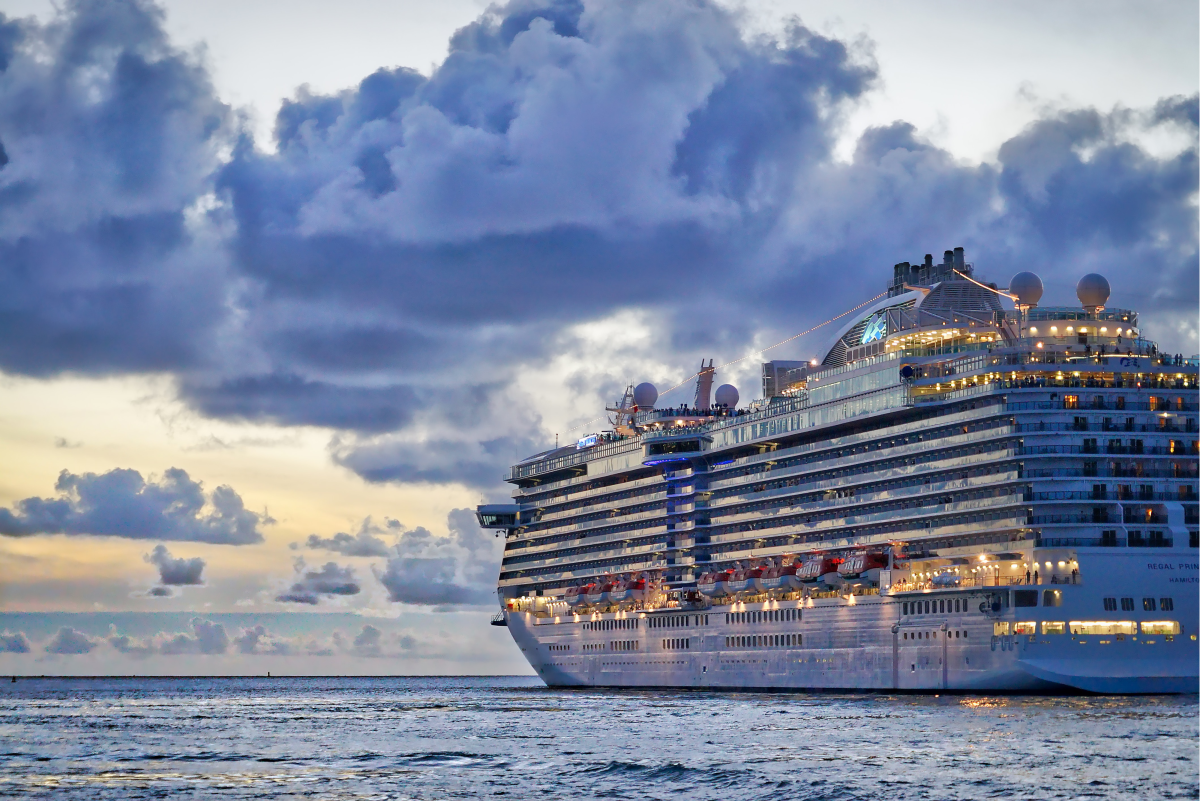
Yet, what sets the Queen Mary 2 apart is its consistent performance and reliability on transatlantic routes, a hallmark of Cunard’s prestigious heritage. While a cruise ship will take you to specific cruise destinations, it usually ends where it began. If your cruise ship travels from Port Canaveral, it will head back there at the end of the trip. So, if you’re interested in how cruise lines operate and what affects ship speed, keep reading.
Cruise ships are like floating cities, capable of transporting thousands of passengers across the vast oceans. We will uncover the average speed of a modern cruise ship, as well as its maximum speed. Additionally, we will address a common misconception about cruise ships going faster at night. So, if you’re curious about the speed of these maritime marvels, keep reading to satisfy your curiosity and gain a deeper understanding of the world of cruise ship travel. Cruising speed refers to the speed at which a ship is sailing when it is not at its fastest speed. This cruising speed allows the ship to navigate various weather and ocean conditions and reduce its carbon footprint on sea days.
But, remember, while your car may win the speed race, it definitely can’t match the luxury of a cruise ship. Now, let’s take a futuristic glimpse at the world of cruise ship speeds. With new technological advancements popping up faster than the bubbles in your average cruise ship with champagne, the horizon of cruising speed is set for a shakeup. Ultimately, the average speed of a cruise ship ensures a balance between timeliness, passenger comfort, and memorable experiences throughout the journey. Furthermore, the reliability and safety of a cruise ship are of paramount importance. Cruise ships are built and designed with the primary purpose of providing a secure and enjoyable experience for passengers rather than focusing solely on speed.
Some cruise ships are being redesigned to travel slower to reduce their carbon footprint and make their voyages more environmentally friendly. Fuel consumption is another crucial factor affecting the speed of cruise ships. Operating at higher speeds requires more fuel, which can be a significant cost for cruise lines. To maximize efficiency and reduce expenses, cruise ships often operate at an optimal cruising speed that balances travel time with fuel consumption.
In the vast and luxurious world of cruising, a vessel’s velocity is a finely tuned dance between fuel efficiency, passenger comfort, and meticulous scheduling. While technological advancements have given cruise ships the power to race across the oceans, economic realities and pursuing an unrivaled guest experience often dictate a more measured pace. Royal Caribbean maintains an advertised average sailing speed of 18 to 20 knots for its illustrious fleet. Like many other cruise operators, their decision is influenced by multiple factors that extend beyond the mere capability of the ship’s engines.
Additionally, it’s worth noting that cruise ships rarely reach their maximum speeds, as safety and passenger comfort are always taken into consideration. These factors work together to determine the fastest comfortable cruising speed for a cruise ship. While larger ships may have a slower speed due to their size, the number of passengers, distance, and fuel consumption also contribute to the overall equation.
Asking how fast do cruise ships go might make you wonder how they compare to the wooden boats of yore. Wooden ships didn’t have nearly the same maximum speeds as modern ships. A cruise ship needs to get to the next port on time, not early or late.




No comments:
Post a Comment