Becoming a cruise ship officer involves pursuing a career as a senior-ranking member of the crew responsible for various aspects of ship operations, such as navigation, safety, passenger care, and entertainment.
The role holds significant importance, ensuring the well-being and satisfaction of passengers while maintaining the ship's safety and efficiency. Historically, cruise ship officers played a critical role in maritime exploration and trade, a tradition that continues in the modern tourism industry.
This article provides a comprehensive guide on the path to becoming a cruise ship officer, covering essential qualifications, training programs, and career advancement opportunities.
How to Become a Cruise Ship Officer
Understanding the essential aspects of becoming a cruise ship officer is crucial for developing a targeted and effective career plan.
- Qualifications
- Training
- Experience
- Certifications
- Advancement Opportunities
- Job Market
These aspects encompass the journey from aspiring officer to assuming various leadership roles on board, including responsibilities related to navigation, safety, hospitality, and entertainment. By examining each aspect in detail, individuals can tailor their career path to meet the specific requirements and challenges of this dynamic industry.
Qualifications
Qualifications are essential prerequisites for individuals aspiring to become cruise ship officers. These qualifications encompass a combination of education, training, and experience that equip candidates with the necessary knowledge, skills, and competencies to assume leadership roles on board.
Cruise ship companies typically require officers to possess a bachelor's degree in a relevant field such as marine transportation, nautical science, or hospitality management. Additionally, specific certifications and licenses are often mandatory, including those related to navigation, safety, and emergency response. Practical experience gained through internships or sea time can also significantly enhance an individual's qualifications.
By meeting these qualifications, aspiring officers demonstrate their commitment to the industry and their ability to meet the demands of the role. These qualifications serve as a foundation for further training and professional development, ultimately contributing to the safety, efficiency, and overall success of cruise ship operations.
Training
Training is a cornerstone in the journey towards becoming a cruise ship officer, providing individuals with the specialized knowledge and practical skills required to excel in this demanding role.
-
Classroom Instruction
Aspiring officers undergo comprehensive classroom training covering navigation, safety procedures, emergency response, and hospitality management. -
Simulator Training
Realistic simulators replicate various shipboard scenarios, allowing officers to practice navigation, maneuvering, and emergency drills in a controlled environment. -
On-the-Job Training
Sea time on actual cruise ships provides hands-on experience under the guidance of senior officers, fostering practical application of acquired knowledge. -
Continuing Education
Cruise ship officers are required to participate in ongoing training to maintain their certifications and stay abreast of industry advancements.
Through this comprehensive training regimen, aspiring officers develop the competence, confidence, and adaptability essential for navigating the challenges of cruise ship operations. They emerge equipped to handle the responsibilities of leadership, ensuring the safety, comfort, and satisfaction of passengers and crew alike.
Experience
Experience is a crucial aspect of becoming a cruise ship officer, complementing formal qualifications and training with practical knowledge and skills gained through real-world exposure.
-
Sea Time
Time spent on board cruise ships, working in various departments and gaining hands-on experience in navigation, safety, hospitality, and entertainment.
-
Internships
Temporary placements with cruise lines, providing opportunities to shadow experienced officers and participate in shipboard operations.
-
Military Service
Experience in the navy or coast guard can provide valuable leadership, navigation, and technical skills applicable to cruise ship operations.
-
Related Industry Experience
Work experience in the maritime or hospitality industries, demonstrating transferable skills such as customer service, teamwork, and problem-solving.
By accumulating diverse experience, aspiring officers demonstrate their commitment to the industry, enhance their practical abilities, and build a strong foundation for future leadership roles on board cruise ships.
Certifications
Certifications are indispensable credentials that validate the knowledge, skills, and competencies of aspiring cruise ship officers, demonstrating their proficiency in various aspects of ship operations and safety.
-
Navigation Certifications
These certifications, such as those issued by the International Maritime Organization (IMO), attest to an officer's ability to navigate ships safely and efficiently, ensuring the well-being of passengers and crew.
-
Safety Certifications
These certifications, including those related to firefighting, lifeboat operations, and medical emergencies, empower officers to respond effectively to onboard incidents, safeguarding lives and property.
-
Hospitality Certifications
For officers responsible for guest services and entertainment, certifications in hospitality management demonstrate their expertise in delivering exceptional customer experiences and maintaining high standards of service.
-
Technical Certifications
These certifications, covering areas such as electrical systems, machinery, and engineering, ensure that officers possess the technical knowledge and troubleshooting skills to maintain the ship's smooth operation.
By obtaining the necessary certifications, aspiring cruise ship officers not only meet industry standards but also enhance their credibility, demonstrate their commitment to safety and professionalism, and increase their career prospects in this competitive field.
Advancement Opportunities
Advancement opportunities are an integral component of the career path for cruise ship officers. As officers gain experience and demonstrate their competence, they can progress through various ranks and assume positions with increased responsibility and leadership. This upward mobility serves as a significant motivator for individuals to excel in their roles and pursue professional development.
Real-life examples of advancement opportunities include promotions from junior officer positions, such as third mate or assistant cruise director, to senior officer positions, such as captain, chief mate, or hotel director. These promotions are typically based on factors such as performance evaluations, sea time, and the completion of additional training and certifications.
Understanding the availability of advancement opportunities is crucial for aspiring cruise ship officers. It helps them set realistic career goals and develop a strategic plan for professional growth. By actively seeking out opportunities for skill development, networking, and leadership experiences, officers can increase their chances of career advancement and achieve their full potential within the industry.
Job Market
Understanding the job market is crucial for individuals aspiring to become cruise ship officers. The job market encompasses various factors that influence the availability, demand, and competitiveness of officer positions in the cruise industry.
-
Job Availability
The number of officer positions available on cruise ships varies depending on factors such as the size of the cruise industry, economic conditions, and the introduction of new ships. Monitoring job availability helps aspiring officers identify potential employment opportunities.
-
Demand for Officers
The demand for cruise ship officers is influenced by the growth of the cruise industry, the retirement of experienced officers, and changes in regulations and safety standards. Understanding the demand for officers helps aspiring officers assess their competitiveness in the job market.
-
Competition for Positions
Cruise ship officer positions are highly competitive, attracting a large pool of qualified candidates. Factors such as experience, qualifications, and networking can influence an individual's chances of securing a position.
-
Geographic Considerations
The job market for cruise ship officers is global, with ships operating in various regions. Understanding the job market in different geographic areas helps aspiring officers identify potential employment opportunities and plan their career accordingly.
By considering these facets of the job market, aspiring cruise ship officers can make informed decisions about their career path, enhance their competitiveness, and increase their chances of success in this dynamic and rewarding industry.
Frequently Asked Questions
This section aims to address common inquiries and provide clarification on various aspects of becoming a cruise ship officer.
Question 1: What are the educational requirements to become a cruise ship officer?
Typically, a bachelor's degree in marine transportation, nautical science, or a related field is required. Some roles may accept alternative qualifications with relevant experience.
Question 2: What certifications are necessary?
Certifications vary depending on the specific role and cruise line. Common certifications include those related to navigation, safety, medical emergencies, and hospitality.
Question 3: How can I gain experience?
Sea time, internships, military service, or related industry experience can provide valuable hands-on experience.
Question 4: What are the career advancement opportunities?
Officers can progress through various ranks, assuming positions with increased responsibility and leadership, such as captain, chief mate, or hotel director.
Question 5: How competitive is the job market?
The job market is competitive, but qualified candidates with relevant experience and certifications have good chances of success.
Question 6: What personal qualities are important for cruise ship officers?
Strong leadership, communication, decision-making, and interpersonal skills are essential for effectively managing a diverse team and ensuring passenger safety and satisfaction.
These FAQs provide essential insights into the requirements, experience, and career path of a cruise ship officer. Understanding these aspects can help individuals assess their suitability and make informed decisions about pursuing this rewarding profession.
In the next section, we will delve further into the training and development programs available for aspiring cruise ship officers.
Tips for Becoming a Cruise Ship Officer
This section provides practical tips to guide individuals in their journey towards becoming successful cruise ship officers.
Tip 1: Pursue a Relevant Degree
Consider obtaining a bachelor's degree in marine transportation, nautical science, or a related field to meet the educational requirements.
Tip 2: Gain Practical Experience
Accumulate sea time, participate in internships, or engage in related industry work to acquire hands-on experience.
Tip 3: Obtain Essential Certifications
Acquire certifications related to navigation, safety, medical emergencies, and hospitality to demonstrate your proficiency.
Tip 4: Develop Leadership Skills
Foster strong leadership qualities, including decision-making, communication, and interpersonal skills.
Tip 5: Network with Industry Professionals
Attend industry events, connect with experienced officers, and engage in online forums to build your network.
Tip 6: Keep Abreast of Industry Trends
Stay informed about technological advancements, safety regulations, and best practices in the cruise industry.
Tip 7: Maintain Physical Fitness
Ensure physical fitness to meet the demands of shipboard duties, including emergency situations.
Tip 8: Embrace Continuous Learning
Commit to ongoing professional development through seminars, conferences, and online courses.
By following these tips, aspiring cruise ship officers can enhance their qualifications, gain practical experience, and position themselves for success in this competitive industry.
The subsequent section will delve into career advancement opportunities and strategies for cruise ship officers.
Conclusion
Becoming a cruise ship officer involves a multifaceted journey encompassing education, training, experience, and personal qualities. This article has provided a comprehensive exploration of the path to becoming a cruise ship officer, highlighting key requirements and professional development strategies.
Aspiring officers should focus on obtaining a relevant degree, gaining practical sea time, acquiring essential certifications, and developing strong leadership and communication skills. Networking, staying abreast of industry trends, and embracing continuous learning are also crucial for career advancement. By following these recommendations, individuals can increase their chances of success in this competitive and rewarding field.
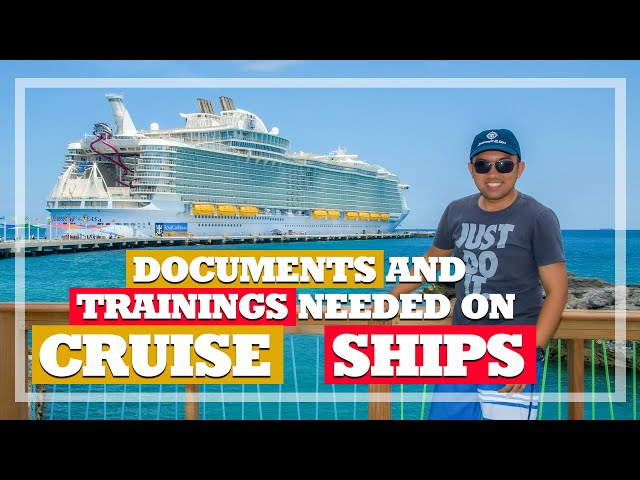
Youtube Video:




No comments:
Post a Comment